Wednesday, May 23, 2012

How To Train Your Dragon


'How To Train Your Dragon' was constantly playing on TV so I decided to watch it again. Personally, I feel that the style and the look of the movie has DreamWorks written all over it. The plot has a meaningful life lesson to be brought home and pondered upon after watching the movie. 

The design of all the dragons used in this movie differ and each and every one of them has been animated differently to react according to their respective personalities. For example, the protagonist's dragon, Toothless, is shy but becomes aggressive when someone tries to harm him or the protagonist. The whole plot was heavily inspired by a novel bearing the same name. Although the novel presents countless species of dragons, the film only highlighted six breeds, of which the two-headed dragon is the largest in terms of volume.


Most of the concept art done before the movie shooting did become a shot for the full feature-length film. I personally feel that the concept artists have outdone themselves with the design of the environments featured in this film. 
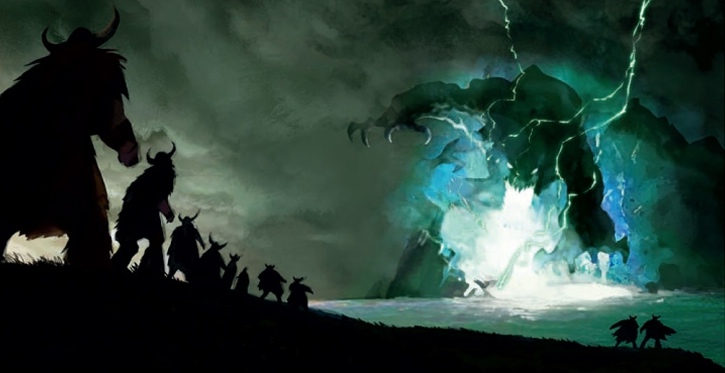

The animation for the characters was smooth soon became lovable as the movie continues on. 


Friday, May 18, 2012

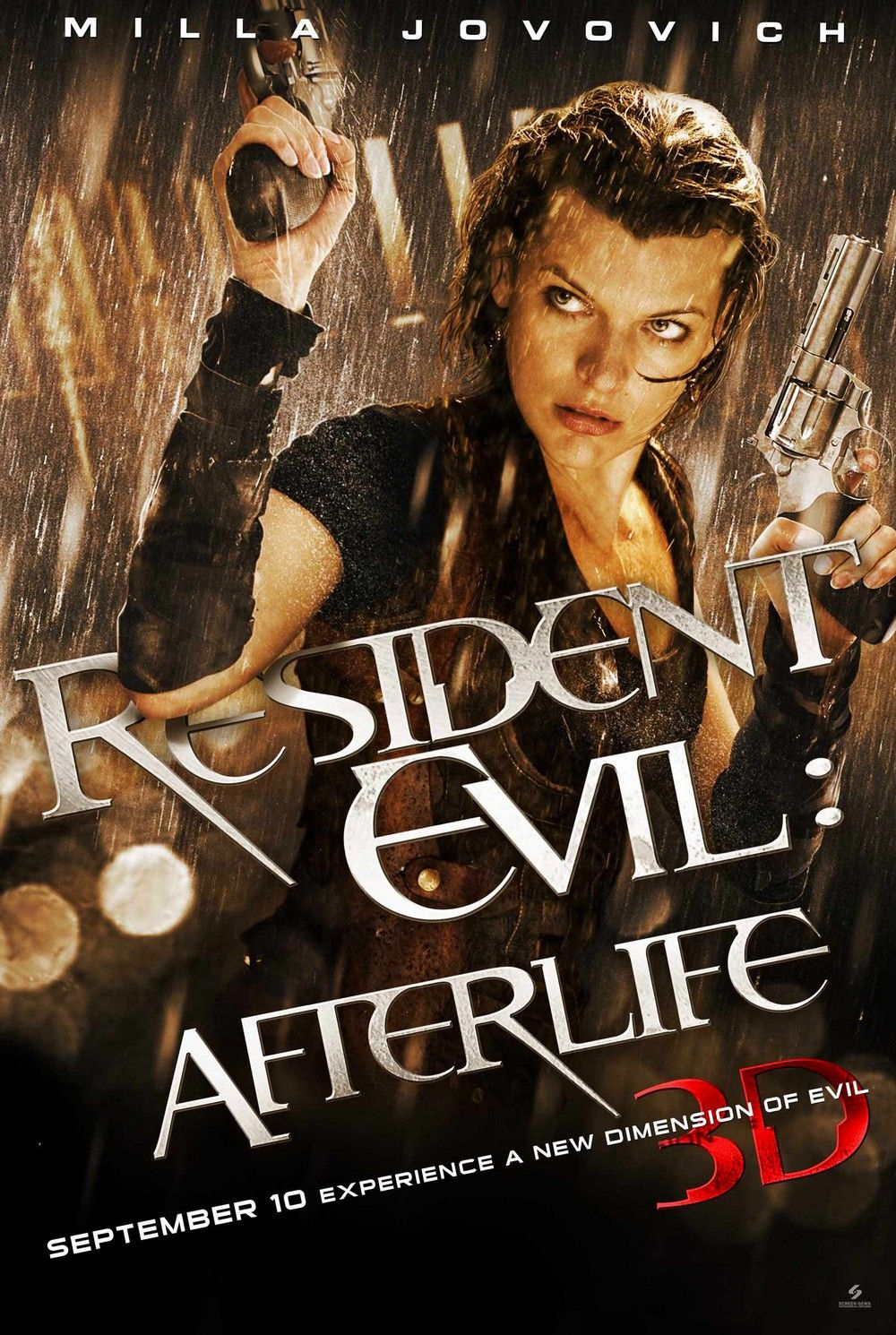
Resident Evil : Afterlife


So one day I've decided to watch a rerun of Resident Evil: Afterlife on HBO and I actually paid a little bit more attention to the effects work than before.

Firstly, there was a scene in the movie showing a post-apocalyptic Tokyo. After researching this, I have come to learn that the crew working on the environment shots had to shoot plates of the real Tokyo then digitally alter the footage to add smoke and the dilapidated look.


Another main attraction to watch this movie would be undeniably the zombies. Most of the zombies were puppets specially sculpted for the production of this movie. The crew had the budget to do so, anyway.


There are a lot of slow-mo scenes in this film but my favourite one would have to be the scene where Alice and Claire are forced to face-off with the famed Executioner. He was based on a video game character bearing the same name and he was played by Ray Olubowale, a tall heavy-weight boxer. 


Although this movie was intended to be for 3D, people who watch this film in 2D would not miss out on anything. The visual effects for this film would be mostly the creatures involved like the demon dogs and the zombies and the explosions. I believe this is a good example of a film that has the effects aid the telling of the story.

Friday, May 11, 2012

Battleship


Battleship was supposed to explain the background behind the game but I feel that it only demonstrated the gameplay towards the end of the movie. The alien battleships were highly detailed weapons of war. The environments were a mix of real footage of military bases around Hawaii taken during the shooting period and fully CG environments with some photos used as reference. 

The biggest challenge faced by the Industrial Light & Magic VFX team was the scene where everyone had to abandon the battleship which was falling apart bit by bit. The team had to find out about the internal parts of a ship and had to model every single piece of debris falling off from the sinking ship. After doing so, they composited the footage of the actors jumping off a ship in a studio with green screens. I feel that this is the most complex shot in the whole movie and ILM has once again lived up to their widely famous reputation.


Wednesday, May 2, 2012

The Avengers


The long-awaited blockbuster 'The Avengers' has finally landed on the shores of Singapore. I was one of the lucky ones because I got to watch it on the day it was released. Unfortunately, I did not watch it in 3D because they were sold out pretty quickly.

There were a few memorable VFX scenes in The Avengers movie. Firstly, there was a scene where Loki attends a conference as a cover for his henchmen under his spell to retrieve an important item. He acquires a source of identification for his men to get the item so he whips out a device which he forcefully implants into the speaker's eye. I was interested to know how they managed to composite the shot where the hologram of the eyeball itself was projected to the reader. Maybe they modeled and animated an eyeball then used filters in After Effects like noise and some colour correction techniques to make it look like a projection. It made me believe that there is such a device in the world.

After Loki took out the speaker, he slowly strolls out of the building, revealing under a bright, hot orange light his armour. I might have guessed that the use of exposure could be in play in this shot.

There was also a scene where Loki is up on the Stark tower, looking over the destruction and chaos him and his army has caused. I recently found a video of the 'Behind-The-Scenes' of the movie and for this particular shot, they used a blue screen and not the usual greenscreen which they have used quite a bit. They probably utilised the bluescreen because Loki's armour reflects light so using green will cause green spill which is difficult to remove in post-production.

I have to admit that the people involved in matte painting did a good job with their environments because it looks clean and believable.